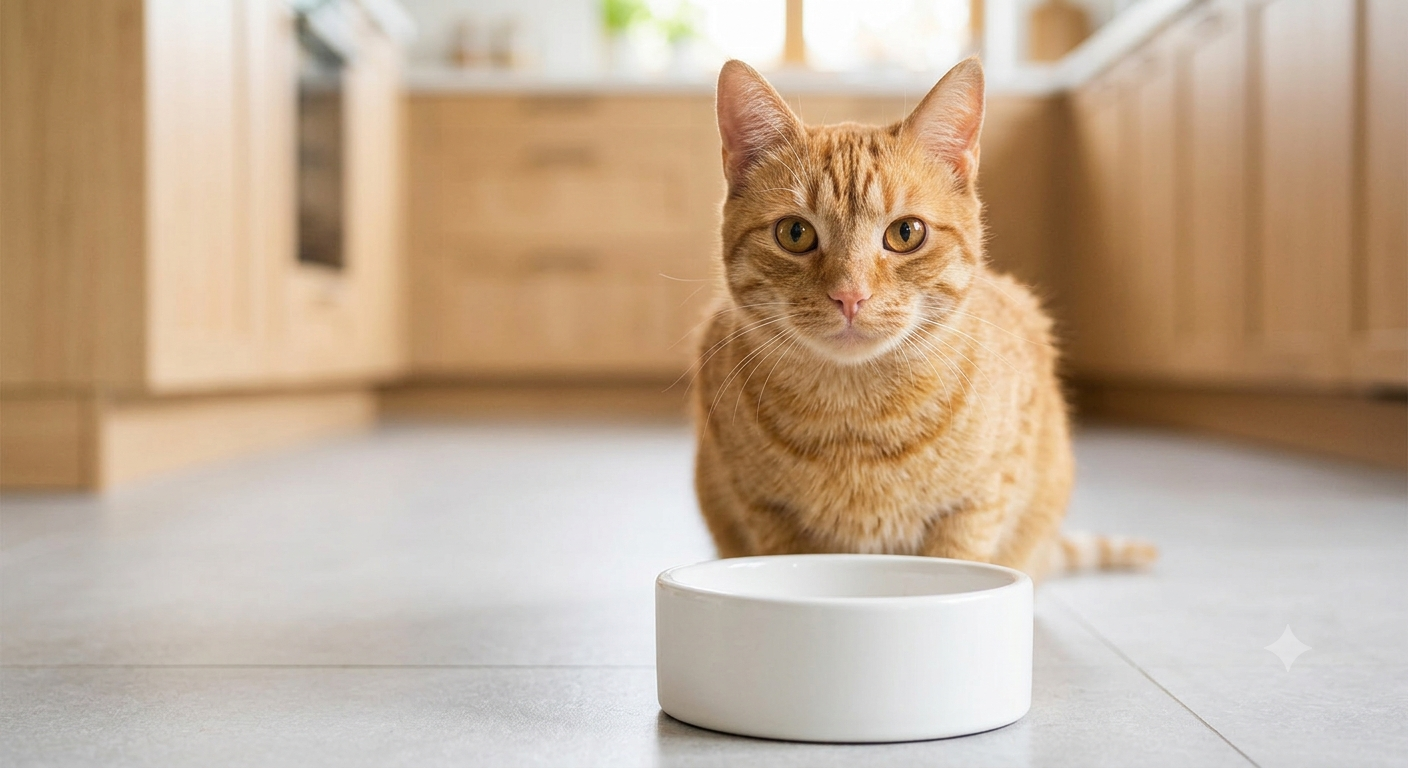
A balanced diet is one of the most important things you can do for your cat’s health.
The best diet for your cat is one that provides complete and balanced nutrition for all life stages. Feeding your cat the right mix of high-quality protein, essential nutrients and proper portions can result in a healthy weight, a shiny coat and a reduced risk of long-term health problems. This complete feeding guide covers how to select the right food, how to feed your cat through all life stages, how to safely transition to new diets, and how to select healthy treats.
Why Diet is So Important for Cats
They require specific nutrients such as taurine and arginine, which are mostly found in meat. A lack of these nutrients over time can lead to serious health issues, like heart disease and blindness.
Portion control is also important.
Indoor cats, in particular, can gain weight even if they don’t seem to be eating much. Being overweight increases the risk of conditions like diabetes and arthritis.
It’s a good idea to weigh your cat every few weeks to catch any weight gain early.
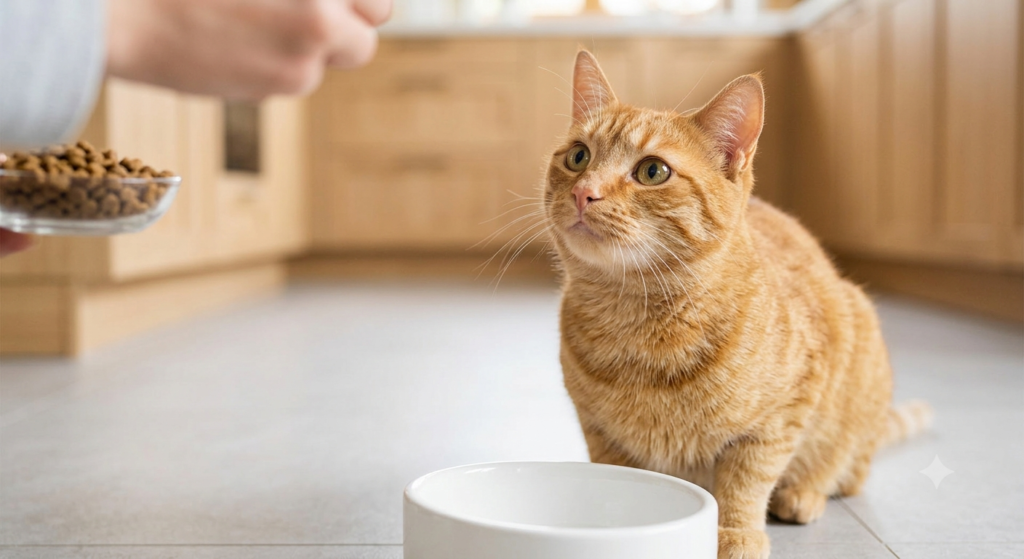
Cat Food: What to Look For
- Complete vs. complementary: Complete food gives your cat all the nutrients it needs, while complementary food is only meant for occasional use.
- Commercial over homemade: It’s difficult to make sure a homemade diet is balanced. Commercial food makes it easier to meet your cat’s dietary needs.
- Stage of life: Kittens, adults, and seniors have different nutritional needs.
- Wet or dry: Both are healthy choices, but wet food can help cats that don’t drink a lot.
- Flavour choice: Some cats enjoy different flavours, while others prefer one. Either is fine.
Feeding at Various Life Stages

Kittens (birth – 1 year)
Start introducing solid food at around 3 weeks, beginning with their mother’s milk.
For the first few weeks at home, stick with the same food your kitten was eating (usually between 8 to 12 weeks) to prevent digestive issues.
Feed small, frequent meals.
Adults (1–10 years)
Choose formulas based on lifestyle, such as indoor, neutered, or weight management diets.
If your cat has a medical condition, follow your veterinarian’s recommendations.
Seniors (11+ years)
Look for senior formulas with lower sodium to support your cat’s aging kidneys.
Monitor their eating and drinking habits closely, as sudden changes may indicate kidney disease, dental pain, or diabetes.
FEEDING YOUR CAT
Most cats prefer to eat small amounts throughout the day rather than having large meals at specific times.
Here are some tips for feeding:
How to Transition Your Cat to a New Food
Switching Up Your Cat’s Diet
It’s best to introduce new food gradually over about two weeks:
- Days 1–4: Place a small amount of the new food on a separate plate next to your cat’s usual food.
- Days 5–10: Slowly increase the amount of new food while reducing the old food. Keep the foods separate.
- Days 10–14: Once your cat is eating the new food regularly, stop feeding the old food completely.

Treats for Cats That Are Safe
Safe treats include cooked chicken, turkey, or white fish, along with small amounts of cat-friendly vegetables like cucumber, carrots, or peeled melon.
Treats should make up less than 10–15% of your cat’s daily calories.
Avoid cow’s milk, grapes, raisins, onions, garlic, leeks, chives, and raw meat entirely. Seemore

Can I feed my cat milk?
Best to avoid. Most cats are lactose intolerant and dairy is very calorie dense without much nutritional value.
Can cats live on a vegetarian diet?
No—cats are obligate carnivores, meaning they need nutrients found only in animal-based food.
Is a raw diet safe?
Only under strict veterinary supervision. Raw diets pose risks of contamination and nutrient imbalance.